
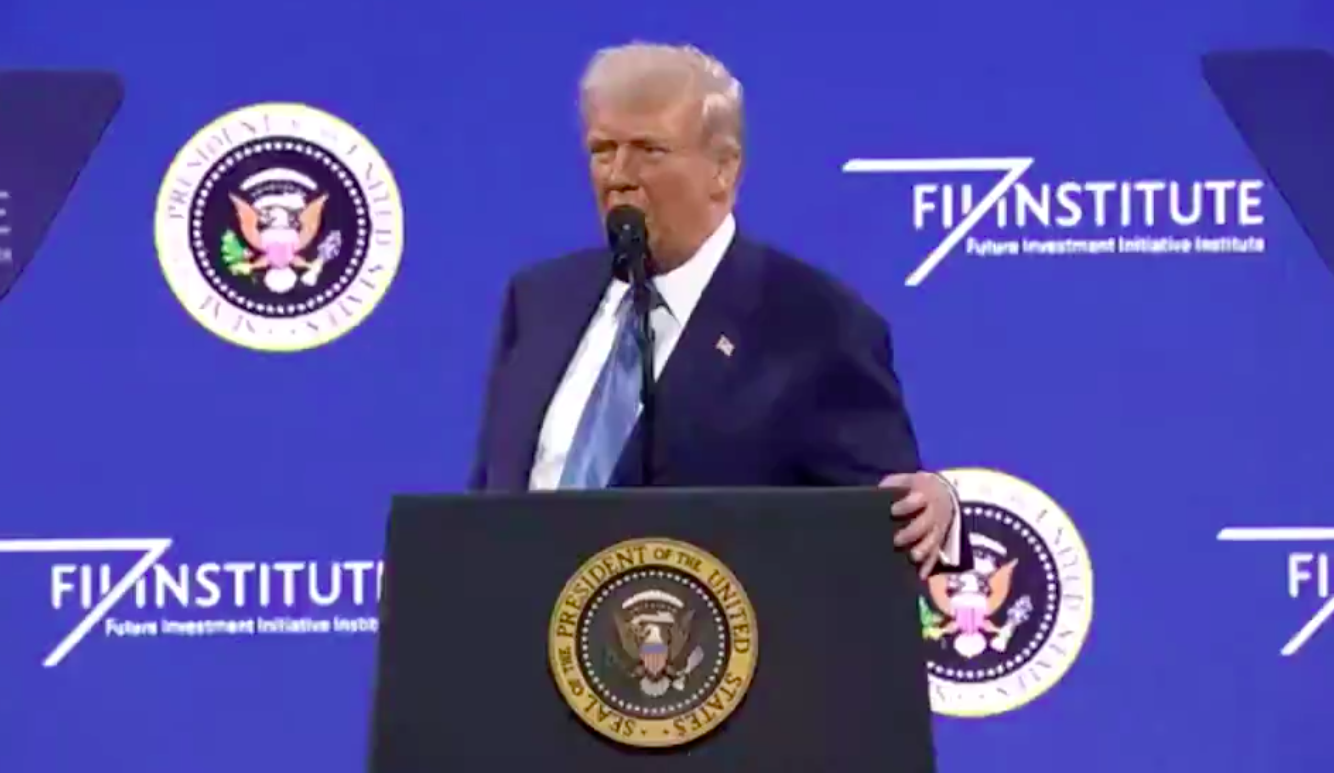
US President Trump on Tuesday announced the Republican Party will hold its first-ever midterm convention in Dallas on September 9 and 10, an unprecedented move by a party that has historically reserved national conventions for presidential election years. The event, framed by Trump as a celebration of his second-term achievements under the “America First” agenda, is widely seen as a direct effort to energise Republican voters ahead of November’s midterm elections.
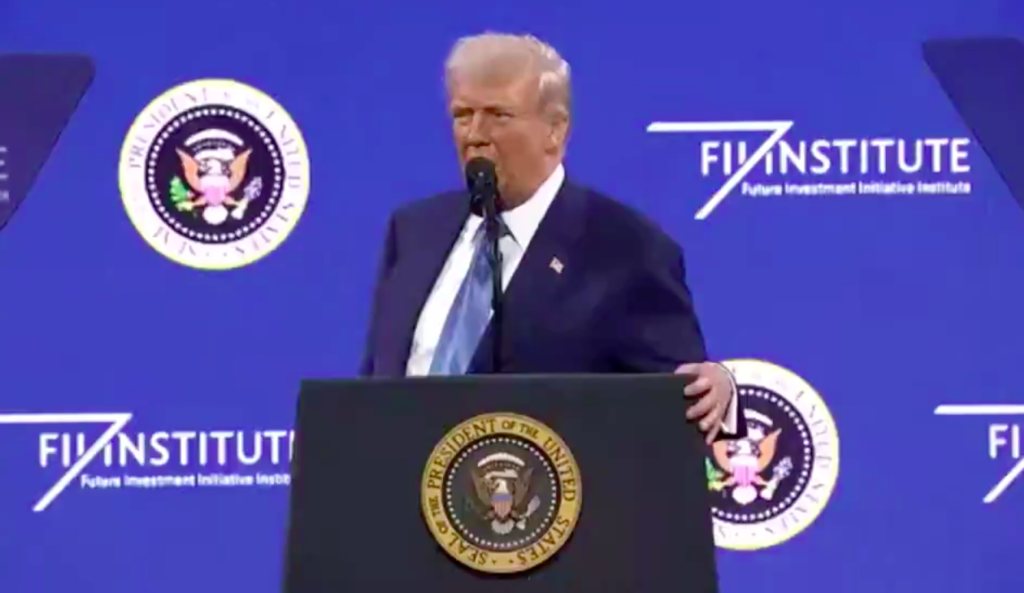
Trump described the convention, scheduled for September 9 and 10, as a “truly Historic Event.” Credit: X
US President Donald Trump announced on Tuesday that the Republican Party will hold the first midterm convention in its history, a two-day event in Dallas this September designed to shore up the party’s precarious grip on Congress at a moment when history, polling, and a string of political setbacks are combining to make November’s elections look increasingly perilous.
A Historic First, Born From Political Necessity
“For the first time ever, the Republican Party will hold a MIDTERM CONVENTION. It will be in Dallas, Texas — one of my favourite places in the World. It will be fantastic!” Trump wrote on Truth Social Tuesday.
Trump described the convention, scheduled for September 9 and 10, as a “truly Historic Event,” writing: “Dallas will take centre stage on September 9th and 10th as we celebrate our Nation, our achievements, and our bright future. THE GOLDEN AGE OF AMERICA HAS ONLY JUST BEGUN!”
The decision to hold the gathering is unusual: political parties only host conventions during the final stretch of a presidential campaign, but the Republican National Committee changed its rules in January to accommodate Trump’s desire to feature an event that could highlight Republicans’ agenda nearly halfway through his second term.
Democrats considered holding a similar gathering ahead of the midterms but tabled the idea. However, the party did hold such conferences in the 1970s and 1980s.
Texas: Battleground Hiding in Plain Sight
The choice of Dallas was not merely sentimental. Locating the convention in Texas places a spotlight on the state’s Senate race, which pits Democratic nominee James Talarico against Republican nominee Ken Paxton. Paxton is the state attorney general who, with Trump’s backing, defeated longtime Senator John Cornyn in a primary earlier this year.
A New York Times/Siena poll released Tuesday found a tied Senate race between Democratic state Representative James Talarico and his Republican opponent, state Attorney General Ken Paxton, while Governor Greg Abbott holds a six-point lead over Democratic state Representative Gina Hinojosa in the governor’s race.
Republican Senate leaders fear that Paxton’s history of scandals, including an extramarital affair, an impeachment, and a securities fraud case that did not lead to a conviction, could undermine his candidacy and turn a reliable Republican state into a genuine contest. Dallas was reportedly the only city in Texas being considered, with Las Vegas also in contention to host the midterm.
What the Convention Will Look Like
Trump offered a detailed preview of the programming, painting it less as a traditional party convention and more as a hybrid rally-showcase. “At the Event, we will have hardworking Americans, our Great Innovators, Entrepreneurs, Manufacturers, First Responders, and Job Creators who are powering our Nation’s Golden Age, and proving that America’s best days are still ahead of us,” Trump said. “We will also have lots of Great Entertainment. It will be a RALLY like none other!”
Trump listed what he described as the America First Agenda’s achievements in his post, including: “NO TAX ON TIPS, NO TAX ON OVERTIME, NO TAX ON SOCIAL SECURITY, STRONGER BORDERS, SAFEST EVER COMMUNITIES, LOWER COSTS AND REAL AFFORDABILITY, MORE JOBS, AMERICAN ENERGY DOMINANCE, AND SO MUCH MORE!”
Additional details about the Dallas convention, including speakers and programming, are expected in the coming weeks.
High Stakes, Thin Margins
The backdrop to the announcement is a congressional map that offers Republicans little comfort. Trump has announced that Republicans will hold their first-ever national convention ahead of the midterm elections, an unusual event aimed at boosting turnout in races that will decide whether the party maintains control of Congress. If Democrats regain control of either chamber, they will be empowered to block Trump’s agenda and launch investigations into his administration for the final two years of his term.
Republicans have only slim majorities in Congress, and the party in power normally loses ground in the midterms. And without Trump on the ballot, Republican leaders worry that it could be hard to galvanise their voters.
Political scientists say that anxiety is precisely what makes the Dallas gambit worth attempting, unconventional as it is. Matthew Wilson, a political science professor at SMU, said: “Typically, parties don’t have national conventions during the midterm cycle, but it signals, I think, a desire on the Republicans’ part to rally the troops. I think there are a lot of good electoral and coalition-building reasons why Republicans would focus on Texas, in particular as a site for trying to build some momentum to gin up greater Republican turnout in this fall’s electoral cycle.”
A President Who Campaigns As He Governs
Trump has made campaigning for Republican candidates a central focus of his political activity, frequently holding rallies and fundraising events in battleground states as the midterm campaign intensifies. The Dallas convention is the logical extension of that approach, an attempt to transform the party’s institutional machinery into an extension of Trump’s personal political brand at a moment when that brand is facing its first real electoral test of the second term.
It also highlights the aftereffects of Trump’s mid-decade redistricting push that began in Texas, an effort to secure more seats for Republicans in this fall’s elections. The Republican National Committee began laying the groundwork earlier this year, voting at its winter meeting in January to make such an event possible by amending procedures centred around quadrennial presidential nominating conventions.
Whether a two-day spectacle in September can substitute for the structural advantages of incumbency, galvanise a base that tends to stay home in non-presidential years, and save a Senate candidate with Paxton’s baggage will be the central question hanging over every speech, every spotlight, and every standing ovation Dallas is being asked to deliver.
