
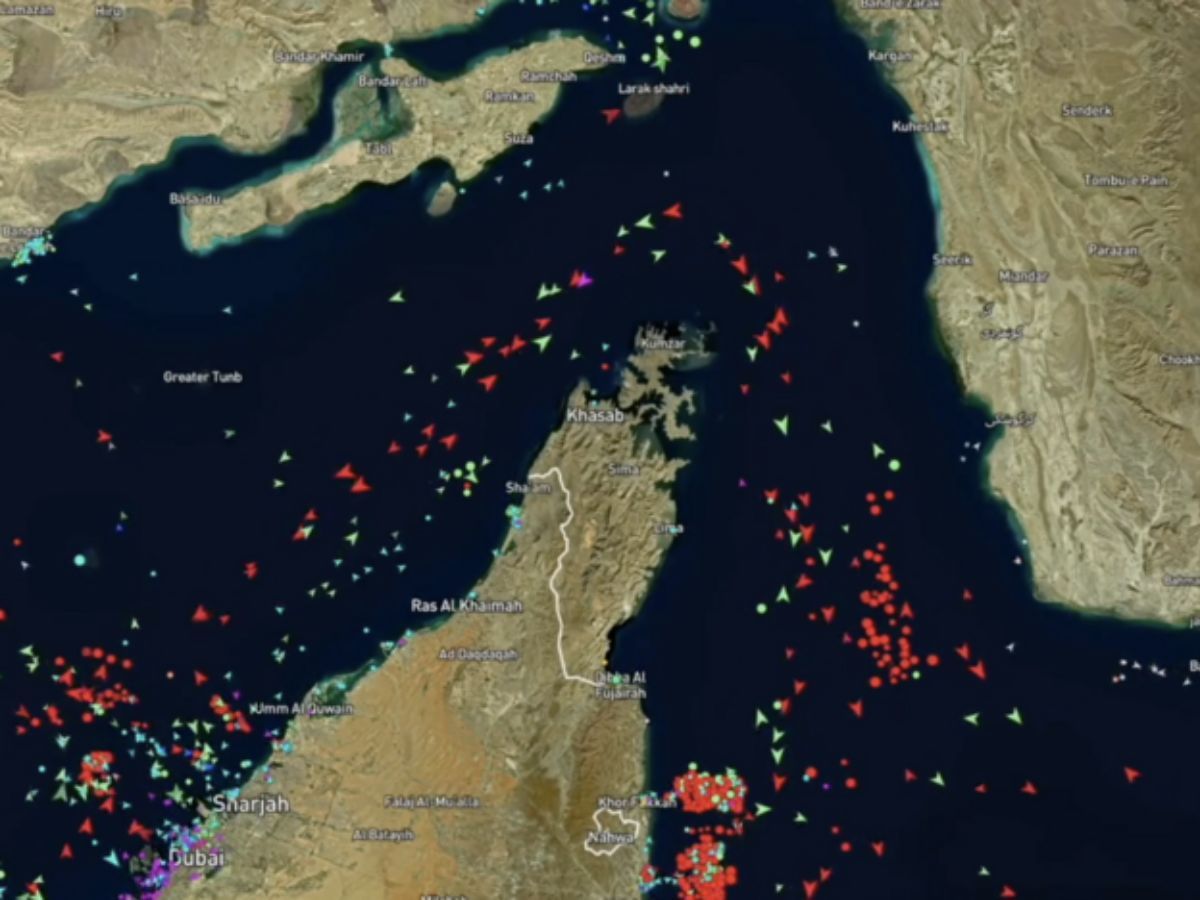
Strait of Hormuz News: The US-Iran conflict has reignited tensions over the Strait of Hormuz. Here’s what Article 5 of the peace deal says, why Kuwait and Bahrain are on alert, and what happens next.
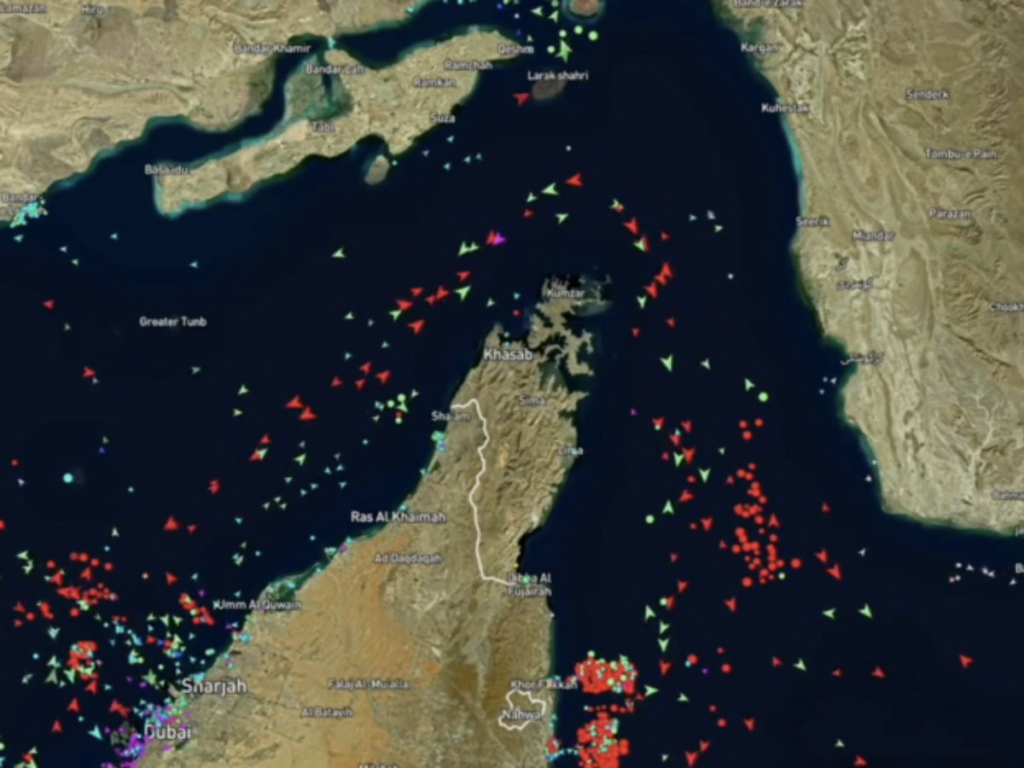
Regional tensions escalated after Kuwait announced that its air defence systems intercepted what it described as “hostile” missiles and drones. (Photo: Social Media)
Strait of Hormuz News: Just days after the United States and Iran agreed to an interim peace framework, the Strait of Hormuz has once again become the centre of the crisis. Fresh military strikes, missile interceptions in Gulf countries and renewed disagreements over control of the strategic waterway have raised fears that the fragile agreement could collapse before it is fully implemented.
Kuwait and Bahrain both activated emergency measures on Sunday after reporting incoming aerial threats, while Washington and Tehran exchanged fresh accusations over alleged violations of the memorandum of understanding (MoU) signed earlier this month.
Strait of Hormuz News: Why Are Kuwait and Bahrain on High Alert?
Regional tensions escalated after Kuwait announced that its air defence systems intercepted what it described as “hostile” missiles and drones. The Kuwaiti military urged residents to follow official safety instructions as security forces responded to the aerial threat.
Neighbouring Bahrain, which hosts a major US naval base, also activated air raid sirens and advised people to move to the nearest safe location while remaining calm.
The alerts came only hours after the United States launched another round of strikes on Iranian military targets following an attack on a commercial tanker in the Strait of Hormuz.
Strait of Hormuz News: Why Has the Strait of Hormuz Become So Important?
The Strait of Hormuz remains one of the world’s busiest energy corridors, carrying a significant share of global oil exports. Since fighting resumed, the waterway has become the biggest point of disagreement between Washington and Tehran.
Iran temporarily restricted shipping through the strait after the conflict began, leaving hundreds of commercial vessels stranded and disrupting global maritime trade.
The latest exchange of military action has renewed concerns that shipping operations could remain affected for longer than expected.
Strait of Hormuz News: What Does Article 5 of the Peace Deal Say?
Article 5 of the memorandum of understanding focuses entirely on reopening the Strait of Hormuz and restoring commercial shipping.
The agreement states:
- Iran will allow the safe passage of commercial vessels between the Persian Gulf and the Sea of Oman for 60 days without charging fees.
- Iran will remove technical and military obstacles and complete demining operations within 30 days.
- Tehran will also hold discussions with Oman and other Gulf states to determine the future administration of the Strait in accordance with international law.
The provision was designed to restore normal shipping after weeks of disruption caused by military operations.
Strait of Hormuz News: Why is Control of the Strait Still Under Dispute?
Although both sides agreed to reopen the waterway, disagreements continue over who should manage it in the long term.
Iran has previously proposed charging tolls for commercial vessels using the Strait of Hormuz, but the United States and several Gulf countries have opposed the idea, arguing that the route should remain open to international shipping without additional restrictions.
The dispute has become one of the biggest obstacles to implementing the broader peace agreement.
Strait of Hormuz News: What Warning Did Iran Give?
Iranian Foreign Minister Abbas Araghchi said Tehran alone remains responsible for managing the Strait under the current agreement.
He said, “The Strait of Hormuz remains under the total oversight and management of Iran through the 30 coming days, and after all obstacles are removed, the total capacity of the waterway will be restored. This is what we are working on.”
He added, “This responsibility rests on the Islamic Republic of Iran. There is no other party or state in this respect. This is totally clear under the memorandum of understanding, and any intervention or any unilateral action will result in exacerbating the situation and also delay the reopening of the strait.”
Strait of Hormuz News: What Did Donald Trump Say?
As tensions continued to rise, US President Donald Trump warned Iran against further military action.
He said, “There may come a point when we are no longer able to be reasonable, and will be forced to militarily complete the job that we very successfully started. If that happens, the Islamic Republic of Iran will no longer exist!”
Iran’s Islamic Revolutionary Guard Corps (IRGC) responded by warning that any additional US attacks would receive a “crushing response.”
Strait of Hormuz News: What Happens Next?
The latest military exchanges have placed the US-Iran peace process under fresh pressure. While both countries continue to defend the memorandum of understanding publicly, repeated accusations of ceasefire violations and the dispute over the Strait of Hormuz threaten to derail negotiations.
For now, the reopening of one of the world’s most important shipping routes remains closely tied to whether Washington and Tehran can prevent the conflict from escalating further.



Leave a Reply