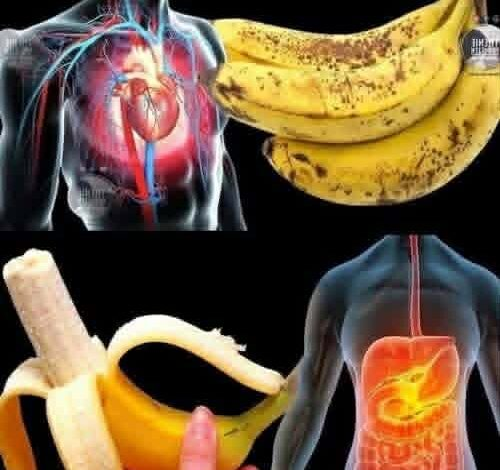
You’ve been grabbing them for breakfast, tossing them into your gym bag, and feeding them to your children for years, thinking you were making the ultimate health choice. But what if I told you that everything you know about this humble yellow fruit is a carefully constructed lie? From secret toxicity levels to the devastating impact on your blood sugar, bananas have been hiding dark, controversial secrets that health influencers are desperate to keep from you. Before you take another bite, you need to know if this “superfood” is secretly sabotaging your body from the inside out.
Bananas are undeniably one of the most ubiquitous fruits on the planet. They are praised for their convenience, their affordability, and their nutrient density. Yet, they remain a source of fierce contention. In the world of modern nutrition, there is no middle ground: you either view the banana as nature’s perfect fuel or as a sugar-laden, inflammatory hazard that should be avoided at all costs. The truth, as is often the case, lies somewhere in the nuanced intersection of science, biology, and digital myth-making.
To understand the banana’s true nature, we must look past the aggressive marketing and the viral fear-mongering to the actual micronutrient profile. Once you strip away the peel, you are accessing a sophisticated delivery system of essential vitamins and minerals. A single medium-sized banana provides a balanced intake of Vitamin B6, which is critical for brain development and immune system maintenance; Vitamin C, the gold standard for antioxidant protection; and magnesium, a mineral involved in over 300 vital biochemical reactions. Most importantly, bananas offer a unique combination of fiber and natural sugars, making them a “clean” fuel source that provides sustained energy rather than the rapid, destructive spikes associated with processed candy bars.
The cardiovascular benefits of the banana are perhaps its most scientifically validated attribute, largely due to its high potassium content. As an electrolyte carrying a vital electrical charge, potassium is the unsung hero of heart health. It works tirelessly to regulate blood pressure by helping the body flush out excess sodium through the kidneys, while simultaneously relaxing the walls of your blood vessels to improve overall circulation. In an era where the modern diet is dangerously overloaded with salt and chronically deficient in essential electrolytes, incorporating a banana into your daily routine is not just a snack—it is a functional step toward protecting your heart from long-term damage and reducing your risk of stroke.
Digestion is another area where the banana shines, despite common misconceptions. Far beyond being a simple comfort food for an upset stomach, bananas act as a powerful prebiotic for your gut microbiome. Unripe, or slightly green, bananas are rich in resistant starch—a type of fiber that survives the small intestine and arrives in the large intestine ready to be fermented by beneficial bacteria. This process produces short-chain fatty acids like butyrate, which are essential for reducing systemic inflammation, strengthening the intestinal barrier, and eliminating chronic issues like bloating and constipation.
When it comes to the great “Blood Sugar Debate,” clarity is essential. Many health-conscious individuals avoid bananas, fearing they are too sweet or will trigger an insulin spike. However, the glycemic index of a banana—ranging from 42 to 62 depending on ripeness—is significantly lower than that of refined carbohydrates like white bread or pastries. The presence of fiber and resistant starch acts as a natural buffer, ensuring that the glucose is released into your bloodstream gradually. While those with specific medical conditions should always exercise caution and consult their physicians, for the average person, the sugars in a banana are processed efficiently, especially when paired with a source of protein or healthy fat.
The argument for weight management also favors the banana. Satiety, or the feeling of fullness, is the cornerstone of sustainable weight loss. By substituting a high-calorie, processed snack bar with a nutrient-dense, 100-calorie banana, you are not just slashing your caloric intake; you are fueling your body with the fiber required to slow stomach emptying and regulate metabolism. It is a simple, effective tool for curbing cravings and preventing the binge-eating cycles that sabotage so many diets.
Furthermore, we must address the “Antioxidant Shield.” Bananas are surprisingly rich in catechins and dopamine, potent antioxidants that neutralize free radicals and mitigate oxidative stress. Over time, oxidative stress is a primary driver of premature aging and chronic illness, including certain cancers and cardiovascular disorders. By consuming bananas regularly, you are essentially fortifying your body’s internal defenses against the daily environmental wear and tear that leads to long-term health decline.
Yet, even with these benefits, myths continue to spread like wildfire. One persistent claim is that bananas are dangerously radioactive due to the presence of Potassium-40. While technically true, the reality is that the level of radiation is so infinitesimally small that you would need to consume 10 million bananas at once for the radiation to be fatal. Another common fear is that blending bananas into smoothies destroys their nutritional integrity. While laboratory experiments might suggest that certain enzymes in bananas can interact with the flavanols in other fruits, there is no evidence to suggest that this negatively impacts your body’s ability to absorb those nutrients. Your digestive system is far more efficient and resilient than a petri dish.
Like all things in life, moderation is the ultimate governing law. The potential drawbacks—digestive discomfort from excessive fiber, or in extremely rare cases, hyperkalemia from excessive potassium—only manifest when you consume an unreasonable quantity of the fruit. For the vast majority of people, one to two bananas a day is the optimal “sweet spot” for reaping the health rewards without crossing the line into dietary excess.
In the final analysis, the banana remains one of the most accessible and effective tools for nutritional improvement. In an economy where high-quality health foods are increasingly expensive, the banana stands as a beacon of affordability. It does not require a complex formula, an exotic origin, or a high-priced supplement label to provide real value to your life. Whether you are an athlete looking for clean energy, a parent seeking a healthy snack for your children, or someone simply trying to keep your heart healthy, the humble banana is an ally. Do not let the clickbait alarmism or the latest dietary trends distract you from the simple, scientifically supported reality: nature already gave us the perfect energy bar.